
Wisdom Teeth Surgery: How do you know if you have dry socket
As wisdom teeth grow in they can cause severe pain, alter the structure of the mouth, and affect oral health. These issues are usually caused by impacted wisdom teeth and it is recommended that patients get them removed. An impacted wisdom tooth is a third molar that is unable to erupt and develop normally because of some barrier like an existing tooth or lack of space.
One of the biggest concerns patients have with wisdom tooth removal is the risk of developing dry socket. Being aware of what causes dry socket and having general knowledge on wisdom teeth surgery can help lessen the stress of the procedure.
What is dry socket?
During wisdom teeth removal, the nerves and bone will be exposed in the socket where the tooth was extracted. Typically, once the tooth is removed a blood clot will form over the area as protection. When a blood clot does not form or is removed from the socket, there is risk of dry socket. Without a clot protecting the bone and nerves, anything that enters the mouth can lead to extreme sensitivity and infection – even air.
How likely is dry socket after wisdom tooth removal?
Dry socket condition, in general, is less common than you may think as it occurs in roughly 2% to 5% of extractions. When it comes to impacted wisdom teeth however the occurrence is closer to 20%. Since removing a wisdom tooth is typically more invasive than any other extraction, the likelihood of developing dry socket is higher. By following your dentist’s or oral surgeon’s post-operative instructions you will be able to lower your chances of developing dry socket.
Symptoms of dry socket in wisdom teeth
So, how do you know if you have dry socket? The symptoms of dry socket after a wisdom tooth extraction are usually easy to recognize. For starters, if the bone at the extraction site is visible and not covered with a blood clot, you probably have dry socket.
Pain from the actual procedure should gradually decrease within a couple of days. With that being said, a tell-tale sign of dry socket is if the pain gets increasingly worse after surgery or you experience a throbbing pain in your jaw. This pain can spread to other areas of your face, neck, and head and it usually occurs on the same side as the extracted tooth.
Besides the visible and physical symptoms, patients that develop dry socket often report having a lingering bad taste in their mouth and bad breath. If you experience any of the symptoms mentioned above, contact your doctor.
How can you prevent dry socket?
As we know, the cause of dry socket is the absence of a blood clot in the extraction site. Sometimes the blood clot just doesn’t form and other times it gets dislodged from the gums. While your dentist or oral surgeon will provide you with pain medications and care instructions after your procedure, it is good to know what to expect during the healing process. Many preventative measures will be taken by your doctor but these are some of the best ways to prevent dry socket on your own.
- Don’t smoke – smokers have a higher risk factor of dry socket. Not only could the inhalation dislodge the blood clot from the gums, but the chemicals found in tobacco can delay healing and increase the chances of infection.
- Don’t drink out of a straw – the suction motion from your cheek muscles can dislodge the blood clot.
- Avoid vigorous spitting or rinsing – while it is important to keep the socket clean, vigorous spitting or rinsing can easily disrupt the blood clot.
- Stick with a soft food diet – foods that are hard, crunchy, or sticky can get stuck in the extraction site. The first couple of days after your procedure it is important to stick to soft foods that do not require much chewing, sucking, or biting.
The healing process after a wisdom tooth extraction is bearable as long as you are gentle with your mouth after the surgery and follow your doctor’s instructions. It is important to talk to your dentist about your concerns regarding your wisdom tooth removal and dry socket.
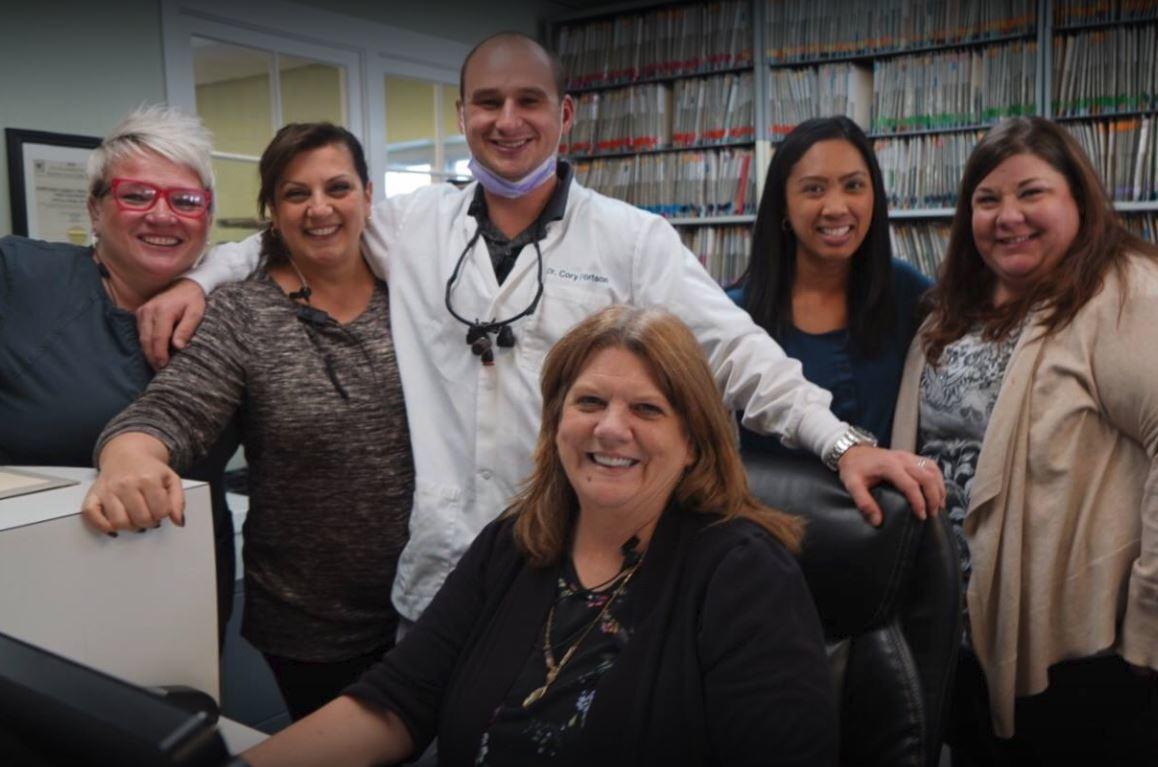
Fortson Dentistry’s staff provides high-quality dental services to our patients in Southeast Michigan from our five locations.