
Does COVID-19 Impact Your Teeth?
Much research still needs to be done, but there have been many reports of how Covid-19 has impacted people’s teeth and oral health. Early findings have shown that Covid can affect blood flow, which can explain why some patients end up with discolored “Covid teeth.” Some are finding that their enamel becomes thinner or breaks down completely. To prevent further damage to your teeth, ensure you get regular dental checkups and keep up with routine flossing and brushing.
Some of these effects haven’t been apparent until people have undergone dental procedures or seen a dentist for other reasons.
Be aware of any changes in your teeth after contracting COVID-19, especially sudden changes that may indicate an infection. If you’re experiencing any dental problems after COVID-19, don’t wait to see your dentist. Treatment is typically more manageable the sooner you’re evaluated by a dentist. Therefore, here are some of the effects on teeth and oral health that people have suffered after contracting Covid-19.
Discoloring
Some people have reported that after Covid, their front teeth are often discolored, and the enamel has been known to become thinner or break down completely. There are also cases of black sludge in people’s mouths, which is caused by an acid reaction from the bacteria present in COVID-19.
There have been people who have had teeth that have turned gray, green, or very black. Despite this being a rare side effect from COVID-19, it can be very noticeable and cause problems with self-confidence.
Dental pain
Some people have developed toothaches, dental pain, and even bad breath after contracting COVID-19. These symptoms can be a sign that an infection has developed or is developing in the mouth. Covid teeth pain is one of the first signs people experience. Ensure you get regular dental checkups and keep up with routine flossing and brushing to prevent this.
If you notice pain in your teeth after contracting COVID-19, don’t ignore it. Even if the pain isn’t constant or severe, it can lead to infections that indicate that your teeth are shifting and beginning to fit uncomfortably in your mouth.
Cavities
Interestingly, some research has shown that cavities can be an entry point for the Covid-19 virus. Also, because Covid-19 weakens people’s teeth, they are more susceptible to tooth decay and cavities once people have been infected. This side effect is one of the more common issues with dental health after contracting COVID-19. The bacteria that live in our mouths affect teeth even if an individual does not have Covid-19 symptoms.
To protect your teeth against further damage, ensure you get regular dental checkups and keep up with routine flossing and brushing.
Tooth and gum sensitivity
Covid teeth have caused a heightened form of tooth and gum sensitivity in some patients. The good news is that tooth sensitivity is often short-term. Your front teeth may be sensitive to very hot or cold foods and drinks for a few months, but this shouldn’t last forever. To reduce sensitivity, use a straw when drinking and chew sugar-free gum regularly. If the pain becomes too much to bear, talk to your dentist.
Tooth Loss
Other people have reported that their teeth fall out after contracting COVID-19. While it’s infrequent that people’s teeth simply fall out of their sockets, this has been reported by some Covid patients. While Covid is unlikely the loan cause of this, it may be compounding existing oral health issues. Considering that the CDC’s data suggests that nearly 50 percent of adults over the age of 30 are afflicted with some form of periodontal disease, that may be a possibility.
From tooth pain to tooth loss, Covid teeth are not something to take lightly, even if there’s still some uncertainty on exactly how and why Covid-19 impacts people’s oral health. If you are experiencing issues with your teeth or oral health after contracting Covid-19, contact your local Fortson Dentistry office today to set up an appointment, and we can help you address your oral health concerns.
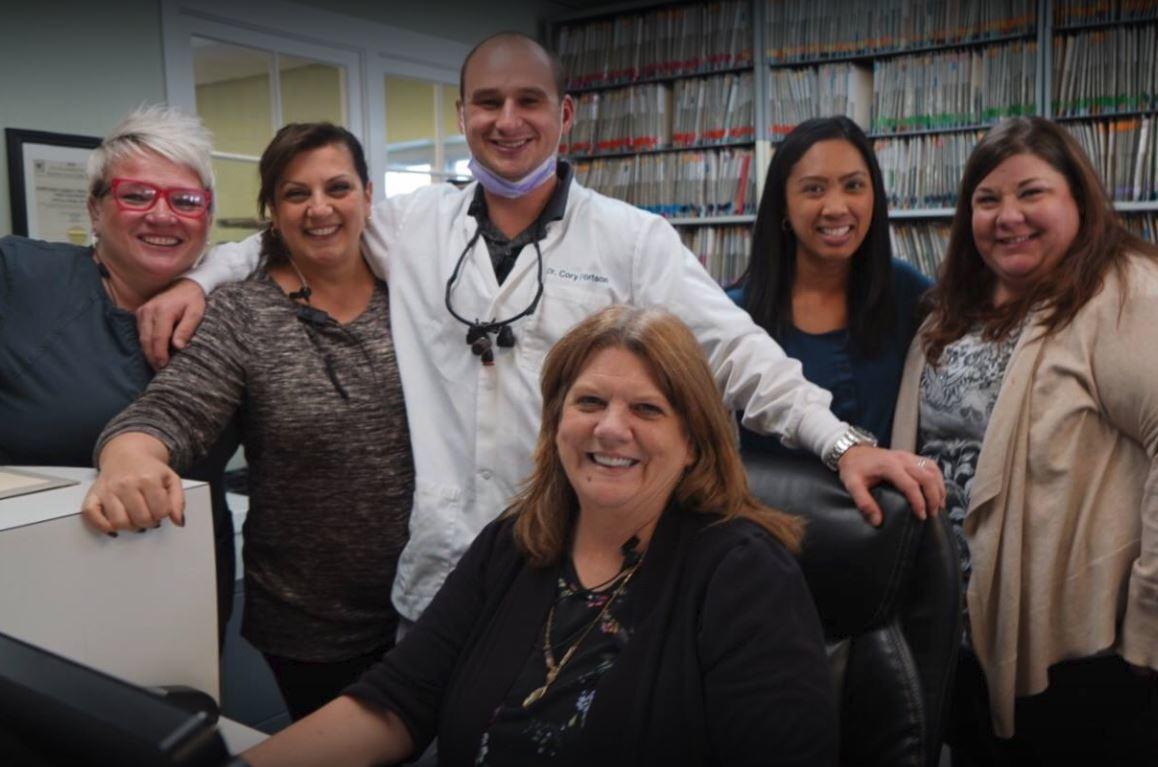
Fortson Dentistry’s staff provides high-quality dental services to our patients in Southeast Michigan from our five locations.