
Dental Implant Bone Grafts FAQ
According to the American Academy of Implant Dentists, over 500,000 people receive dental implants each year. An implant is an artificial tooth root typically made from titanium; this device is inserted into the jawbone to fortify surrounding teeth and replace missing, cracked, or broken teeth.
What does implant surgery involve?
Dental implant surgery is done in stages, and it involves preparing the jawbone for installation of the implant. In many cases, periodontitis can cause the weakening of bone in affected areas of the mouth, and grafting may be necessary to ensure a successful surgery.
How are bone grafts for dental implants done?
What does grafting entail? Grafting is a process that involves removing a piece of bone from other parts of a patient’s body and transplanting it into the jawbone. Other procedures involve obtaining bone from another post-mortem or animal source to replace missing bone. After transplantation, it can take several weeks to months for the transplanted tissue to stimulate enough new growth to support implant placement.
Do all dental implants require bone grafts?
While not all implant procedures require a bone graft before surgery, certain pre-existing conditions necessitate bone growth and adding strength to ensure the success of an implant procedure. These include:
- Significant bone loss over time
- Congenital disabilities that have affected bone density
- Previous injuries to the jaw and face
- Advanced gum disease and deterioration
Your dentist will make a thorough examination of your mouth and jaw and determine the best course of action when considering an implantation procedure.
Is bone grafting for dental implants safe?
Technological advances in dentistry and dental surgery ensure that most procedures are safe. However, there are some risks and complications associated with this type of surgery. Some of these risks and complications include:
- Pain
- Swelling
- Blood clots
- Nerve damage
- Anesthesia complications
- Excess bleeding
- Infection
Taking care of yourself and following dental discharge directions will allow you to experience optimal healing and recovery, hopefully without harmful side effects. If you have pain, swelling, or bleeding that persists for days and weeks after surgery, see your doctor for a thorough assessment of your condition and healing process; your doctor will give you a protocol for correcting any deficiencies and infections, helping to restore you to health once more.
Are dental bone grafts painful?
A bone graft that doesn’t involve harvesting bone material is considered a relatively minor procedure. You’ll likely be sedated, so you won’t feel any pain until after anesthesia wears off. Your dentist will prescribe pain medication to ensure your comfort in the days to follow as you heal. If your dentist takes bone material from your body, such as in your hip and jaw, then recovery may involve more time and a bit more discomfort, as you will be nursing two surgical sites back to health.
What is the success rate of bone grafts for dental implants?
According to recent statistics, dental bone grafts have a 99.6 percent survival rate, with nearly 70 percent of procedures successful after the initial surgery. In some cases, additional intervention and healing time are necessary to ensure that a patient will be implant-ready. Healthy, dense bone needs to be created in order for an anchor to take root and adequately contribute to a patient’s dental health.
Recovery from a bone graft
You may feel normal within a week or two after surgery, but your body–especially your mouth–is not ready for implant surgery until months after your initial procedure. Healing from a successful bone graft can take three to nine months and sometimes longer if healing conditions are not ideal for a patient. Recovery can also depend on factors like the type of graft, the area in which it was placed, and your body’s capacity for healing that will ultimately determine when you are ready for implant surgery.
You can look forward to a stronger smile.
The process of bone grafting is a necessary part of implantation, but the benefits outweigh any risks and complications you may experience. You can look forward to a stronger smile, a healthier mouth, and increased self-confidence as you undergo the process of revealing strong and beautiful teeth and a vibrant smile.
If you live in Southeast Michigan and have more questions about dental implants or grafts, contact the Fortson Dental Implant Center located in Southfield, and we’ll be happy to help you.
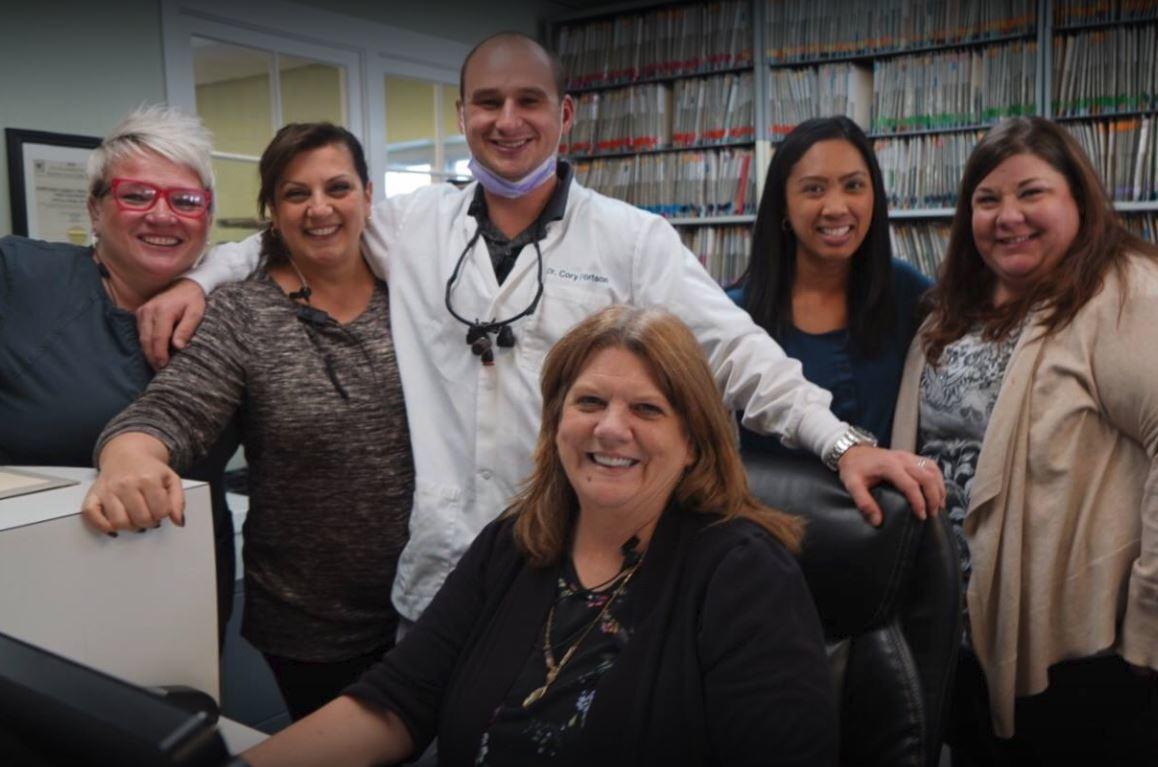
Fortson Dentistry’s staff provides high-quality dental services to our patients in Southeast Michigan from our five locations.